
The Final Measure of a Good Child
Pinocchio (Tania Zamorsky Edition)The story tests its moral ideal through concrete choices, moving from obedience and study toward honest work, protection, and care for those in need.
increasing Bearing strength in each event
 decreasing
Bearing strength in each eventdecreasingThe Advice Rejected
The Moral Standard Introduced
Parents and Work
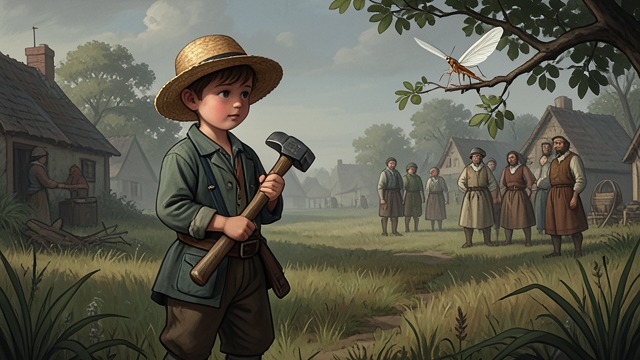
The Talking Cricket warns Pinocchio against abandoning Geppetto and urges him to study or learn a trade. The advice defines a good life through attachment, education, and honest effort.
Refusal Has Consequences
Pinocchio dismisses the counselor and throws a hammer. The story does not treat the standard as an easy rule he can merely repeat; it asks whether experience will teach him to live by it.
A Public Temptation
Reputation Versus Judgment
Diligence Mocked
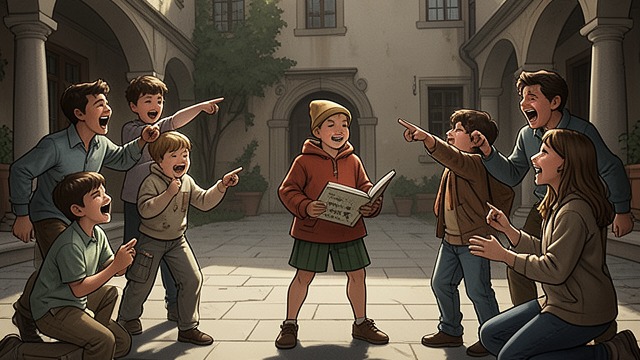
Pinocchio’s schoolmates tease him for studying and lure him away with a false story about a Great Shark. They want him to share their rejection of school so his effort will not expose their laziness.
A Lesson in Responsibility
The outing becomes a fight, and Eugenio is injured by a thrown book. Pinocchio regrets having skipped school and followed the group, connecting bad company to harm that reaches beyond himself.
The Choice to Earn
Work Chosen After Hunger
Pride Refused
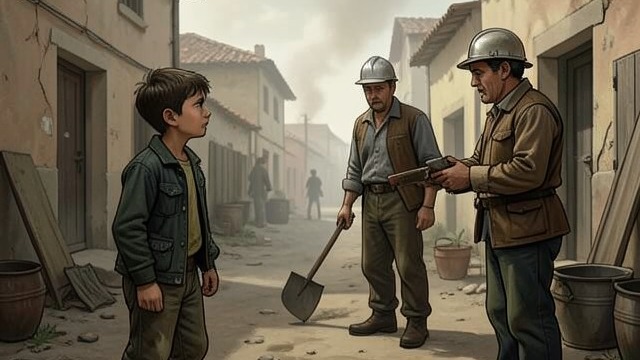
Pinocchio rejects paid tasks from a coal worker and a mason because he does not want to exert himself. Hunger continues until he accepts the woman’s offer to carry water.
A Principle Tested
He earns a meal by working, experiencing the practical truth of the Fairy’s teaching. The point is not that hardship makes every task pleasant, but that honest effort can answer a real need.
A Choice Against Theft
Honesty Without Reward
A Share Offered
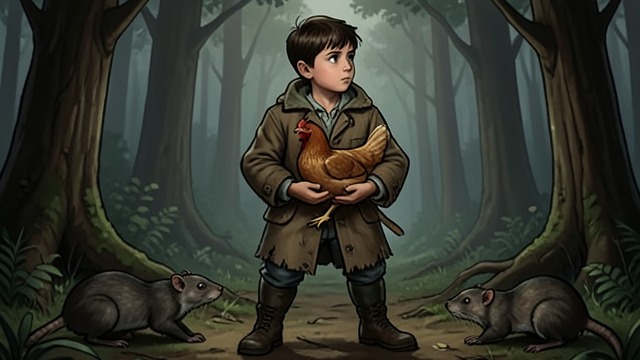
The Weasels propose that Pinocchio keep silent in exchange for a hen. He has been hungry and mistreated, but he refuses to help them steal from the farmer.
Conduct That Frees Him
Pinocchio traps the Weasels and wakes the farmer. His truthful action earns his release, showing that good conduct can change a relationship even when it cannot undo the wrong that first brought him there.
Care as the Final Proof
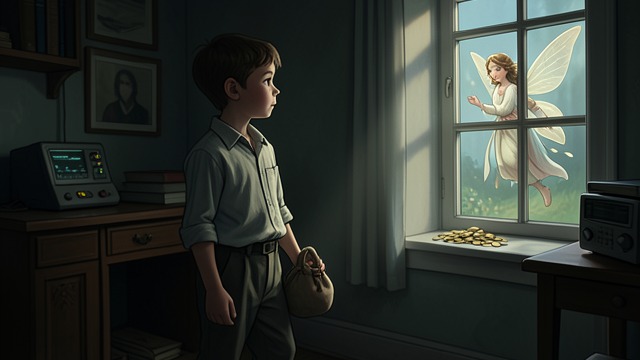
Goodness Demonstrated
A Costly Gift
Pinocchio gives away the money he saved for clothes so that the Fairy can receive help. He makes the choice freely, without asking what reward it will earn.
The Moral Transformation
The Fairy forgives him in a dream and recognizes his care for his parents. Pinocchio’s becoming a boy completes the moral arc through actions already performed: study, work, loyalty, and compassion.
During Pinocchio’s conversation with the Talking Cricket
When Pinocchio’s schoolmates invite him to the shore
On the Island of the Industrious Bees
During the night in the farmer’s henhouse
Near the ending, after the Fairy becomes ill
